


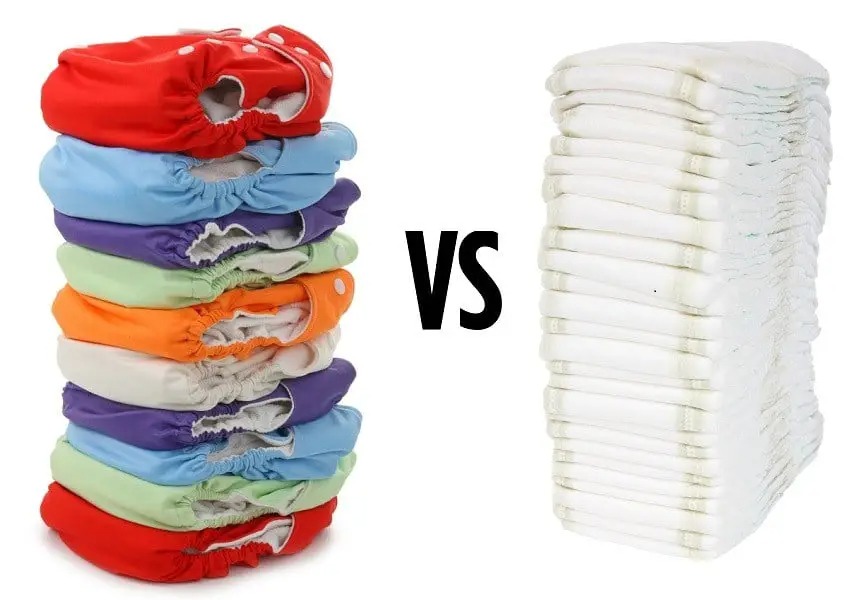
When people are connected with industries like healthcare, hospitality, or the food industry, they have to consider multiple aspects. The use of reusable and disposable linens in these industries is common for countless purposes. Learn more about Linen Hire London.
Whether you’re running a restaurant, hospital, clinic, or catering services, you need to choose between these two types of linens. You can do so when you learn the differences between reusable vs disposable linens. Sunbeam Laundry offers professional laundry services for all commercial industries.
Eight Worth Considering Differences Between Reusable VS Disposable Linens
The following are the differences to consider between reusable vs disposable linens.
Basic Features And Definitions To Consider
Reusable linens are manufactured from durable fabrics, including:
- Cotton.
- Polyester blends.
- Linens.
They are manufactured to handle repeated washing before you replace them. Normally, reusable linens include tablecloths, napkins, bedsheets, towels, and chef aprons.
In contrast, disposable linens are for one-time use. They are made from:
- Paper.
- Non-woven fabrics.
- Lightweight synthetic materials.
They are designed for one-time usage and are thrown away after use. Disposable linens involve paper napkins, plastic-backed table covers, and disposable patient gowns.
Standards Of Hygiene And Cleanliness
Reusable linens require rigorous cleaning, sanitisation, and hygienic procedures. Industries use professional laundering services for this purpose. High standards in cleaning are to be met in reusable linens otherwise, they can lead to cross-contamination or bacterial retention.
On the other hand, disposable linens provide guaranteed cleanliness because they are used once and are discarded afterwards. They are perfect for settings where high sterile conditions have to be met, like hospitals, dental surgeries, and care homes. They significantly reduce the risk of spreading infections.
Cost Requirements
The front expense for reusable linens is high, but they offer long-term cost savings. They can last for hundreds of uses with proper maintenance. But you have to consider laundering costs, like:
- Water.
- Electricity.
- Detergent.
- Labour.
In contrast, disposable linens contain a lower upfront cost and can eliminate laundering costs. But over time, you have to continuously repurchase them, which proves an expensive procedure, especially in high-usage environments.
Environmental Impact
Reusable linens are environmentally friendly with reduced wastage requirements. But the environmental toll of laundering, including
- Water usage.
- Energy consumption.
- Chemical discharge.
These factors must also be considered between reusable vs disposable linens.
On the other hand, disposable linens cause massive landfill waste when you use them in bulk. Most are not biodegradable or recyclable. But now many sustainable options are available in the market, including compostable or recyclable disposables, but they are highly expensive.
Appearance And Presentation
Reusable linens offer an elegant and luxurious appearance. You can find them in countless colours, patterns, and fabric types. Industries use reusable linens when appearance and guest comfort are a priority. They are suitable for use in:
- Formal events.
- Upscale restaurants.
- Luxury hotels.
On the other hand, disposable linens have a less appealing and luxurious appearance. They are available in multiple designs, but they cannot match the visual or tactile quality of fabric linens.
Practicality And Convenience
Reusable linens involve multiple tasks. Users who use reusable linens have to:
- Handle.
- Wash.
- Dry.
- Fold.
- Store them.
It’s a time-consuming, labour, and space-demanding procedure for businesses with fewer resources.
On the other hand, disposable linens provide maximum convenience. They don’t need storage or washing requirements. Industries with busy environments, larger catering, and outdoor events use disposable linens.
Use Case Scenarios
Industries that use reusable linens include:
- Hotels and resorts.
- Fine dining restaurants.
- Banquet halls and wedding venues.
- Spas and salons.
- Long-term care facilities.
On the other hand, disposable linens are suitable for:
- Hospitals and clinics.
- Food trucks and takeaways.
- Outdoor events and picnics.
- Emergency response setups.
- High-risk infection zones.
Storage And Inventory Management
Reusable linens need proper storage space for clean and dirty linens. Businesses have to handle linen inventory to avoid shortages or overuse. On the other hand, disposable linens need less space and offer better inventory management. But continuous reordering is required to avoid running out during high-demand periods.
Conclusion
To conclude, the variations between reusable vs disposable linens are simple yet noticeable. They make bigger impacts in different environments. However, the choice to choose a specific type of linen depends on multiple factors and considerations.
Next, read: Linen Hire vs. Buying: What’s Best for Your Business?




Leave A Comment